miércoles, 25 de marzo de 2020

SECOND SEMESTER.

Partial 2.

QUANTIFIERS

We use the quantifiers much, manya lot of, lots of to talk about quantities, amounts and degree. We can use them with a noun (as a determiner) or without a noun (as a pronoun).

Image result for countable and uncountable in the supermartket

Activity 1:

Exercise 1
Revise this video and the presentation available  in schoology: https://www.youtube.com/watch?v=FtruQRWZ44U

Exercise 2
Go into e-zone and log in your username and password available in schoology called
e_zone_codes.pdf 
Into the course FOR REAL BEGINNER
Push start and in cyberhomework push do it. (for everybody just the first activity)

Exercise 3
Then Do the quiz "countable and uncountable nouns" in schoology
COMPARATIVES AND SUPERLATIVES

Image result for comparatives

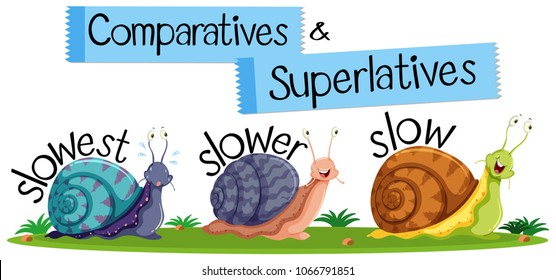
Comparative adjectives are used to compare differences between the two objects they modify (larger, smaller, faster, higher). 

Activity 2:

 Download the worksheet available in schoology and watch the video to answer it.


Superlative adjectives are used to describe an object which is at the upper or lower limit of a quality (the tallest, the smallest, the fastest, the highest). They are used in sentences where a subject is compared to a group of objects.
Activity 3:
Exercise 1
Go to this link: https://learnenglish.britishcouncil.org/english-grammar-reference/comparative-and-superlative-adjectives , revise the rules for comparative and superlative adjectives and practice doing the activities there 
  • Comparative adjectives 1-2
  • Superlative adjectives 1-2
  • How to form comparative and superlative adjectives.
Exercise 2
Continue working in Gateway workbook unit 9 ,100% each activity.

Exercise 3
For the ones who don't have workbook go to e-zone and do the assignation Module 6- Unit 12- Homework 1 and 2. 

Activity 4:
Participate in the discussion topic " Life in the Capital" available in schoology. Don't forget to use comparative and superlative statements.

Características del paisaje: Diferencias entre el campo y la ciudad


DEMOSTRATIVES.

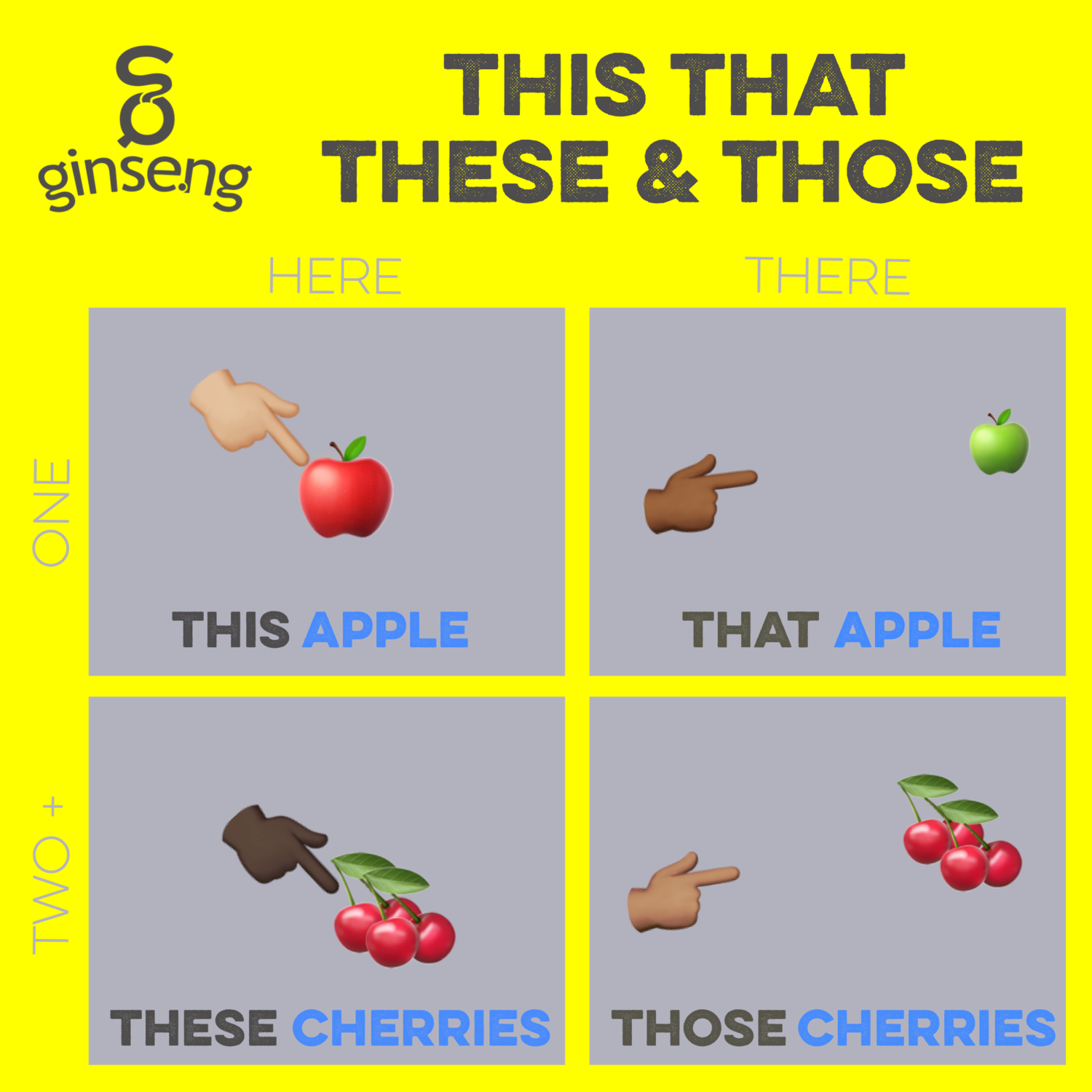
The Demostratives are mostly used to specify or identify people, animals or things based on their proximity or distance, taking into account the position of the speaker.

There are four demostratives in English: the "near" demostratives this and these, and the "far" demostratives that and those. This and that are singular; these and those are plural.


This That These Those - Demonstrative Determiners | Ginseng ...

Activity 5.
Go to schology and do the quiz about demostratives.


SHOULD, MUST, HAVE TO
Illness definition
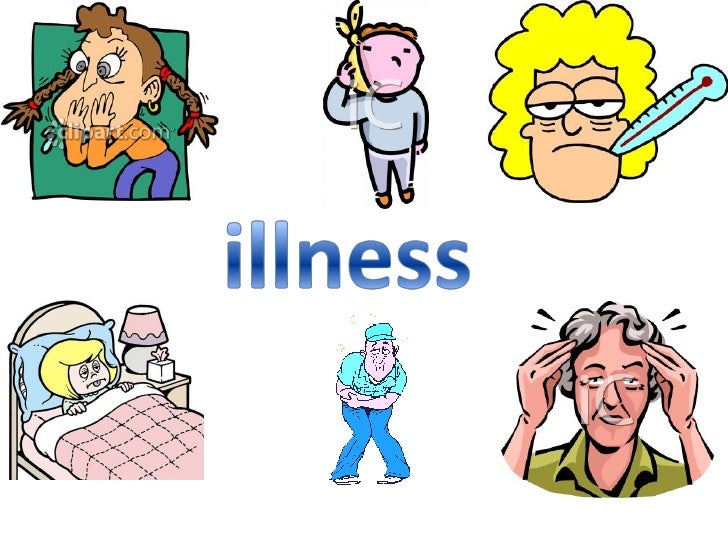
A modal verb is a type of verb that is used to express modality, such as: advice, suggestion, obligation or need.

People use should or shouldn’t to give an opinion about what the best thing to do is. When we speak to another person our opinion becomes advice.


People can use ought to and ought not to in the same way as should and shouldn’t. Ought to is not as common as should and it is a little more formal.


We use must or have to to explain that something is necessary.
  • I must finish my homework before 8:00
  • I have to phone Valery before 9:00
In writting, there is no real difference between must or have to. In speech there is a small difference:

a.    We use have to when the situation makes something necessary, for example because of official rules. The speaker in here expresses facts, not his/her own feelings.


Examples:
  • At our school, we have to wear a uniform
  • To board the suburban train, we have to use a special card
  • To take an examination, students have to be in the classroom on time

b.    We use must when the speaker personally feels that something is important. She/he is saying what she/he thinks is necessary.

Examples:
  • You really must stop working so hard and go on vacation
  • We must be here by 8:00 or the plane will leave without us
  • She must stop eating junk food or she'll get fatter!
In their negative forms mustn’t and don't have to have different meanings:

a.    Mustn't describes an action that is prohibited / forbidden.
  • You mustn’t turn on your cell phone when the plane is taking off
  • You mustn't combine sleeping pills with alcohol. It’s dangerous!
b.    Don't have to describes an action which is not necessary – you have a choice.
  • You don't have to turn on the heating system. It´s automatic.
Activity 6:
Go into this link https://www.eslgamesplus.com/body-parts-board-game-for-esl-practice/  and revise parts of the body.

Activity 7:
Go into this link https://matchthememory.com/suly to revise illnesses.

Activity 8:
Go into this link https://www.eslgamesplus.com/modal-verb-should-shouldnt-for-giving-advice-on-health-problems-esl-grammar-activity/ to revise health problems.

Final Activity
Finally, go into schoology and do the final quiz for revising all the topics seen in the second partial.


Well Done Sticker for iOS & Android | GIPHY

KEEP IN TOUCH!
WE HAVE NOT FINISHED YET.


Partial 3.

SIMPLE PAST VERB TO BE.

How old were you last year?
Where were you yesterday evening?
What was the weather like yesterday?

To answer similar questions we need to use the verb To Be in past.

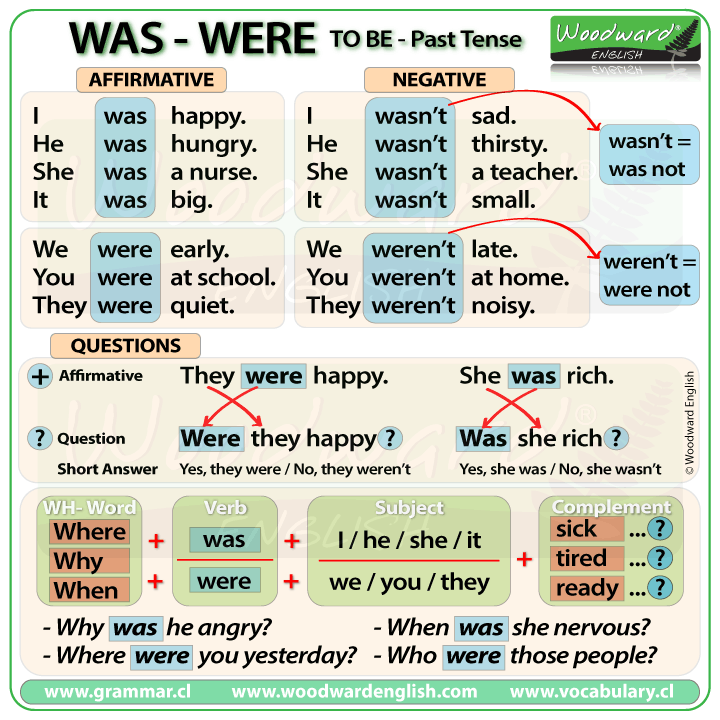
Using verb To Be in past (was /were) , we can formulate affirmative, negative and interrogative sentences in order to ask for or give information. Now, we are going to study the general characteristics of three forms:

To Be in Past Tense - English Grammar

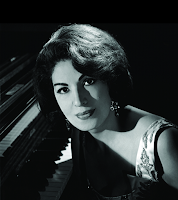
If you can see in the paragraph below, we are describing a person, her nationality, her origin, her age when she wrote the song, her profession and more information about her using was, this is the past tense of To be.

As mentioned above, we sometimes use were but we can also use was, all depends on the subject. In the following explanation we will learn how to use each one.
El maestro: Consuelo Velázquez Torres


Activity 1:                                                                                ( From April 27th to May 1st)
  
Go into schoology and do the activities available in "Verb to be in PAST" 

Exercise 1:
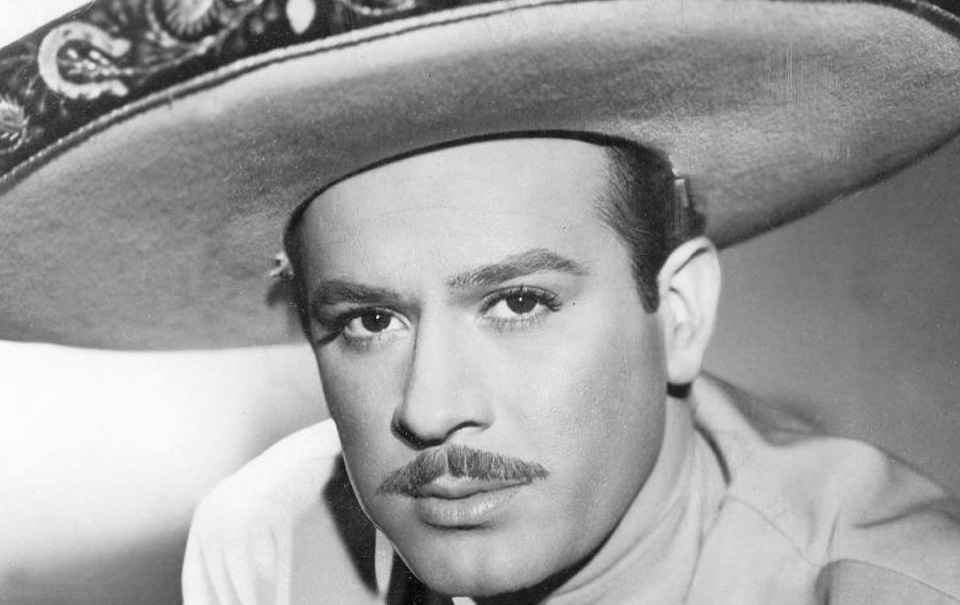
Canciones para recordar a Pedro Infante: el ídolo inmortal | Soy ...
Read the text about Pedro Infante's life  and answer the questions.

Exercise 2:
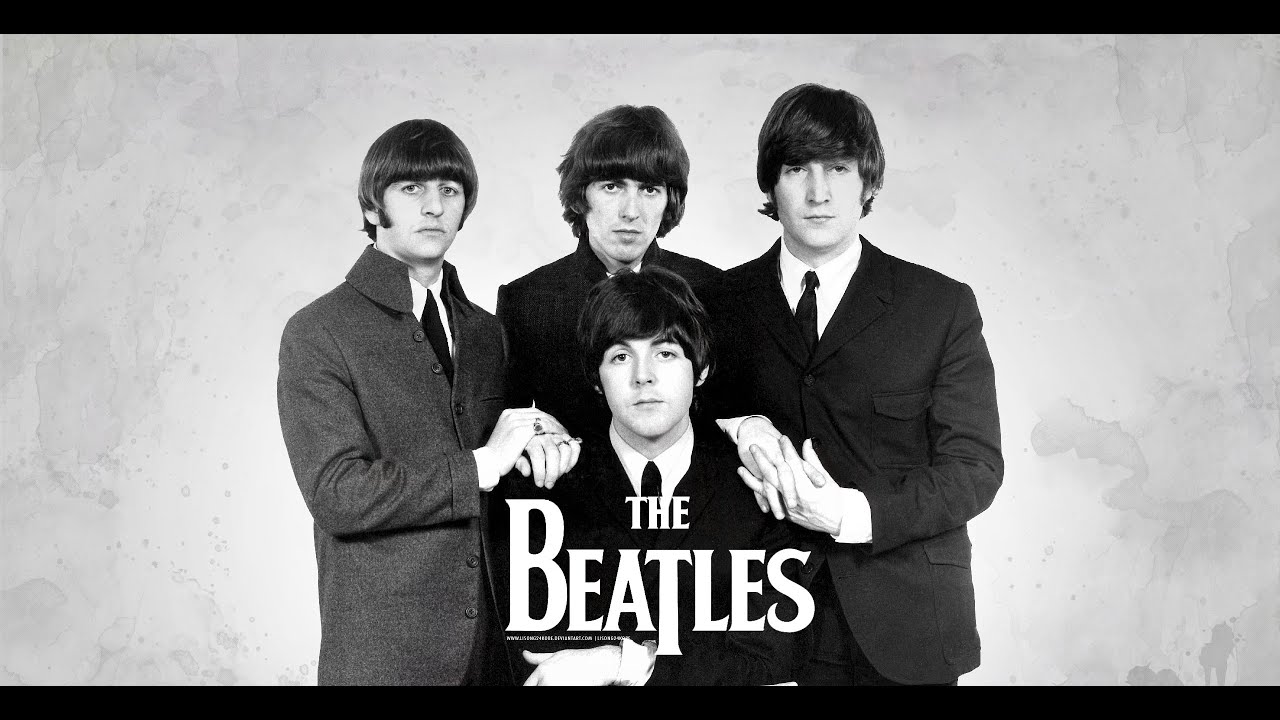
The Beatles - Yesterday - YouTube

Watch the video about the Beatles and answer true and false statements.

Activity 2:     

How To Take The Perfect Photo At A Concert | Photobox

Write about the most memorable concert or even you have been using was / were.


Activity 3:                                                                               (Date of delivery: May 15th)

Workbook Gateway unit 7 for the ones who have the WB and Ezone assignation U13_HW1/2 for the ones who don't have workbook.


SIMPLE PAST REGULAR VERBS.

The simple past is a verb tense which is used to show that a completed action took place at a specific time in the past.

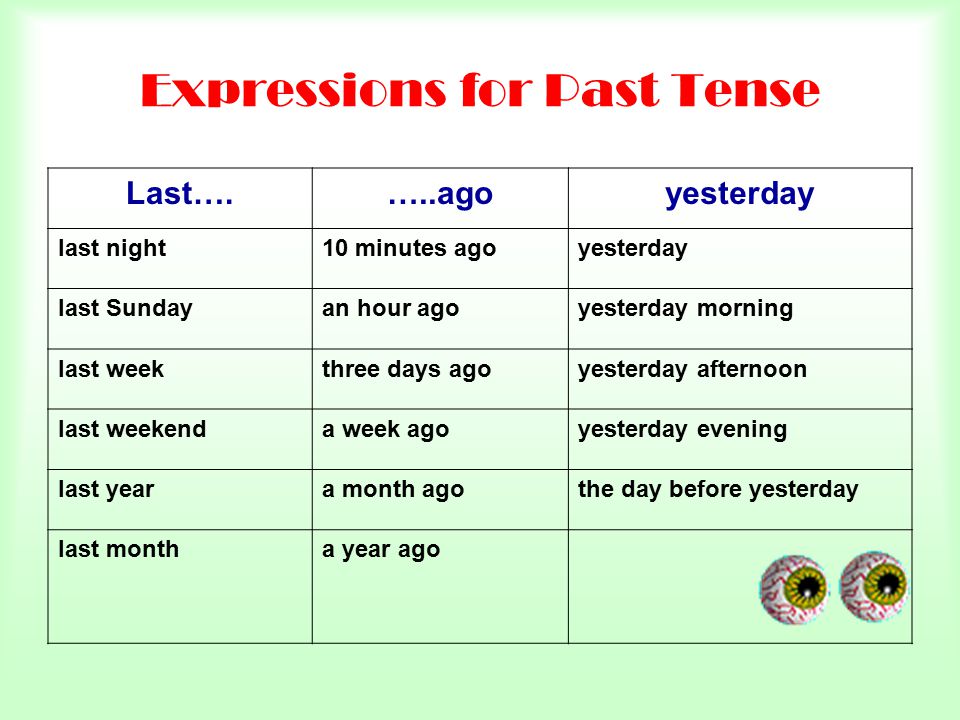
You can find several past phrases to express when the things or activities happened. Here you can see some of them.

You need to see the structure of the affirmative sentences in past. The past phrases can be at the beginning or the end of the sentence when necessary.

What did you do yesterday? - ppt video online download

In this tense, you can use two types of verbs regular and irregular. With regular actions, you may see a particular characteristic that is the “ed” ending.


Pronuntiation of the "ed" ending.

There are three different forms to articulate this ending.

1. Verbs in infinitive that end with “t” or “d” You pronounce the “ed” ending as /Id/

Examples:
visit → visited (visit/Id/)
need → needed (need/Id/)

2. Actions that are voiced sound ( n, l, m, f, v, r, vowels ) considering the last consonant(s) in the infinitive form. You pronounce the “ed” ending as /d/

Examples:
arrive → arrived (arriv/d/)
email → emailed (email/d/)

3. Verbs that are voiceless (k, p, s, sh, ch, x) sound taking into account the las consonant(s) in the infinitive form. You pronounce the “ed” ending as /t/

Examples:

like → liked (lik/t/)
wash → washed (wash/t/)


Sentences.

Affirmative:
  • Subject + verb in past “ed” ending + complement

  • Yesterday I cooked a delicious meal.
  • On Wednesday morning you printed a poster.
  • Salma Hayek moved to the U.S.A.
  • Mexican students finished their courses in Europe five months ago.
Negative:
  • Subject + didn't + infinitive verb complement

  • Yesterday I didn't cook  a delicious meal.
  • On Wednesday morning you didn't  print     a poster.
  • Salma Hayek didn't  move to the U.S.A.
  • Mexican students  didn't finish their courses in Europe five months ago.
Interrogative:
  • Did Subject + infinitive verb  + complement  ?

  • Did I cook a delicious meal yesterday ?
  • Did  you print a poster on Wednesday morning ?
  • Did Salma Hayek move to the U.S.A ?
  • Did Mexican students finish their courses in Europe five months ago ?

  ( From May 3rd to May 7th)
Activity 1:
Go into this link https://www.quia.com/cb/25733.html and practice rules for regular verbs.

Activity 2:
Go into schoology and do the quiz "Past events"

Activity 3:
Assignation U14_HW 1 on Ezone  for those who don't have workbook.


        ( From May 18th to May 22nd)

SIMPLE PAST IRREGULAR VERBS

For irregular verbs their spelling in the simple past tense is totally different, check these examples:

think - thought
see - saw
write - wrote
say - said
draw - drew
do - did

As you could notice in this case their ending is different and there is no rule, for this reason you need to learn them by heart. In this link you can find more examples:


Affirmative, negative and interrogative forms
When we ask for specific information we use wh-question words at the beginning:

Examples:
What did you wear for the party? 
I wore a beautiful red dress and high heels.

How did you know you were soul mates? 

I don’t know, but when I met him I just felt it.

When did you have your first kiss? 

Oh, when I was 15 years old.

Where did you celebrate Christmas last year? 

I celebrated Christmas at my mom’s home.

Why did you react like that? 

Because I was in love with her.


Activity 7:
Review Irregular Verbs in the Past Simple in the Interactive Grammar Hangman Spelling Game Online https://www.eslgamesplus.com/irregular-verbs-interactive-hangman-game-for-esl-grammar/ and upload the final score in schoology into a screenshot or photo.

Activity 8:
Go into  Past Simple Snakes & Ladders and answer each question to get a chance at rolling the dice 
http://www.eslgamesworld.com/members/games/grammar/New_Snakes_%20Ladders/Past_simple_tense.html . Upload the final score in schoology into a screenshot or photo.

Activity 9.
Go into https://www.gamestolearnenglish.com/past-tense-game/ and . Don't forget to register your Name and Location so that your score appears in the list. Finally upload the final score into a screenshot.

Activity 10:
Workbook Gateway unit 8 for the ones who have the WB and Ezone assignation U14_HW2 for the ones who don't have workbook.

USES OF SIMPLE PAST TENSE.

USE 1 Completed Action in the Past

simple past completed action

Use the simple past to express the idea that an action started and finished at a specific time in the past. Sometimes, the speaker may not actually mention the specific time, but they do have one specific time in mind.


Example:
I saw a movie yesterday.


USE 2 A Series of Completed Actions

simple past series

We use the simple past to list a series of completed actions in the past. These actions happen 1st, 2nd, 3rd, 4th, and so on.


Example:
I finished work, walked to the beach, and found a nice place to swim.


USE 3 Duration in the Past

simple past duration

The simple past can be used with a duration which starts and stops in the past. A duration is a longer action often indicated by expressions such as: for two years, for five minutes, all day, all year, etc.

Example:
I lived in Brazil for two years.


USE 4 Habits in the Past

simple past habit

The simple past can also be used to describe a habit which stopped in the past. It can have the same meaning as "used to." To make it clear that we are talking about a habit, we often add expressions such as: always, often, usually, never, when I was a child, when I was younger, etc.

Example:
They never went to school, they always skipped class.


USE 5 Past Facts or Generalizations

simple past fact

The simple past can also be used to describe past facts or generalizations which are no longer true. As in USE 4 above, this use of the simple past is quite similar to the expression "used to."

Example:
She was shy as a child, but now she is very outgoing.

jueves, 2 de agosto de 2018

FOURTH SEMESTER.


Partial 2.

SIMPLE PAST AND PAST CONTINUOUS

Do you believe in ghosts?


If you believe in ghosts, you're not alone. Cultures all around the world believe in spirits that survive death to live in another realm. In fact, ghosts are among the most widely believed of paranormal phenomenon. Millions of people are interested in ghosts.

The idea that the dead remain with us in spirit is an ancient one, appearing in countless stories, from the Bible to "Macbeth." It even spawned a folklore genre: ghost stories. Belief in ghosts is part of a larger web of related paranormal beliefs, including near-death experience, life after death, and spirit communication.

The belief offers many people comfort — who doesn't want to believe that our beloved but deceased family members aren't looking out for us, or with us in our times of need?


ACTIVITY 1.


Watch the next video and pay particular attention to the bold structure used in this story, as well as the main three different functions of it.

ACTIVITY 2.

Exercise 1.
Read the ghost story in schoology and complete the gaps using the apropriate tense form (simple present, simple past or past continuous).

Exercise 2.
Look the highlighted words and match them with the corresponding definition.

Exercise 3.
Complete the statements using the highlighted vocabulary in the story to complete the exercise.

LINKERS AND CONNECTORS.

Connectors or linking words are extremely important because they help us organise and connect our ideas in a logical way. Therefore, they have a double role:

a) a grammatical function: connecting structures(words, phrases, sentences, paragraphs...)

b) a meaning function: explaining the relationship between the ideas (if two ideas go in the same direction, if they express a contrast, if one is cause/consequence of the other...)
ACTIVITY 3. 
After revising the video and the brief explanation about linkers and connectors, complete the quiz available in schoology with the same title.

ACTIVITY 4
Go to schoology and participate in the forum "Do you believe in ghosts?" reading again the story and giving a different ending. Write 20 to 30 words and use simple past, past continuous and connectors.

ACTIVITY 5.
  • Complete the unit 8 from Workbook GATEWAY, 100% in each activity.
  • For the ones who don't have workbook, send to me a message by schoology with your complete name to assign a similar activity to complement this part of your evaluation.

PAST PERFECT .

The past perfect is a verb tense which is used to show that an action took place once or many times before another point in the past.

The past perfect is formed using had + past participle. Questions are indicated by inverting the subject and had. Negatives are made with not.


ACTIVITY 6.

Download the worksheet that is in schoology and watch the video to answer it.


USED TO.

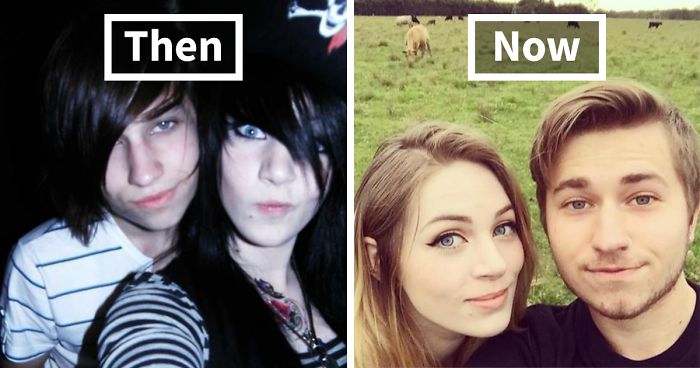
676 Before & After Pics Of Rebellious Teenagers

Used to + infinitive':

We use this expression to talk about habits or repeated actions in the past which we don't do in the present. We also use it to talk about states in the past which are no longer true. For example:

  • I used to have long hair (but now I have short hair).
  • He used to smoke (but now he doesn't smoke).
  • They used to live in India (but now they live in Germany).
Watch out! With the negative and the question it's 'use' and not 'used':
  • Did you use to be a teacher?
  • Did he use to study French?
  • She didn't use to like chocolate, but she does now.
  • I didn't use to want to have a nice house.
Note! With this 'used to' there is no verb 'be'. We CAN'T say 'I am used to have long hair'.

ACTIVITY 7

Try an exercise about 'used to + infinitive' in schoology.

ACTIVITY 8

In 50 words describe how your life used to be when you were younger. Take in consideration the questions available in schoology to create your paragraph.

Thumbs Up Nice GIF - ThumbsUp Nice WellDone - Discover & Share ...


KEEP IN TOUCH!
WE HAVE NOT FINISHED YET.

Partial 3.

PASSIVE VOICE.

Passive voice is not precisely a new tense, passive voice is simply another way to express things where we put special emphasis on the object/action of the sentence. To appropiately form a passive voice we need verb to be & participle of an action verb.

Passive Voice - Lessons - Tes Teach
  • Verb to be indicates the tense.
  • Past Participle action performed.
Regularly negative forms are expressed through the use of NOT. Look at the example:

EX:
a. Fire was NOT discovered by the modern man
b. Regular books are NOT read by new generations who prefer e-boks


As in any other interrogative form, the auxiliary plays an important role in questions. It MUST BE placed in first position:

EX:
c. Was penicillyn discovered in 2001?
d. Is Facebook used by millions of people?


How much do you know about inventions?

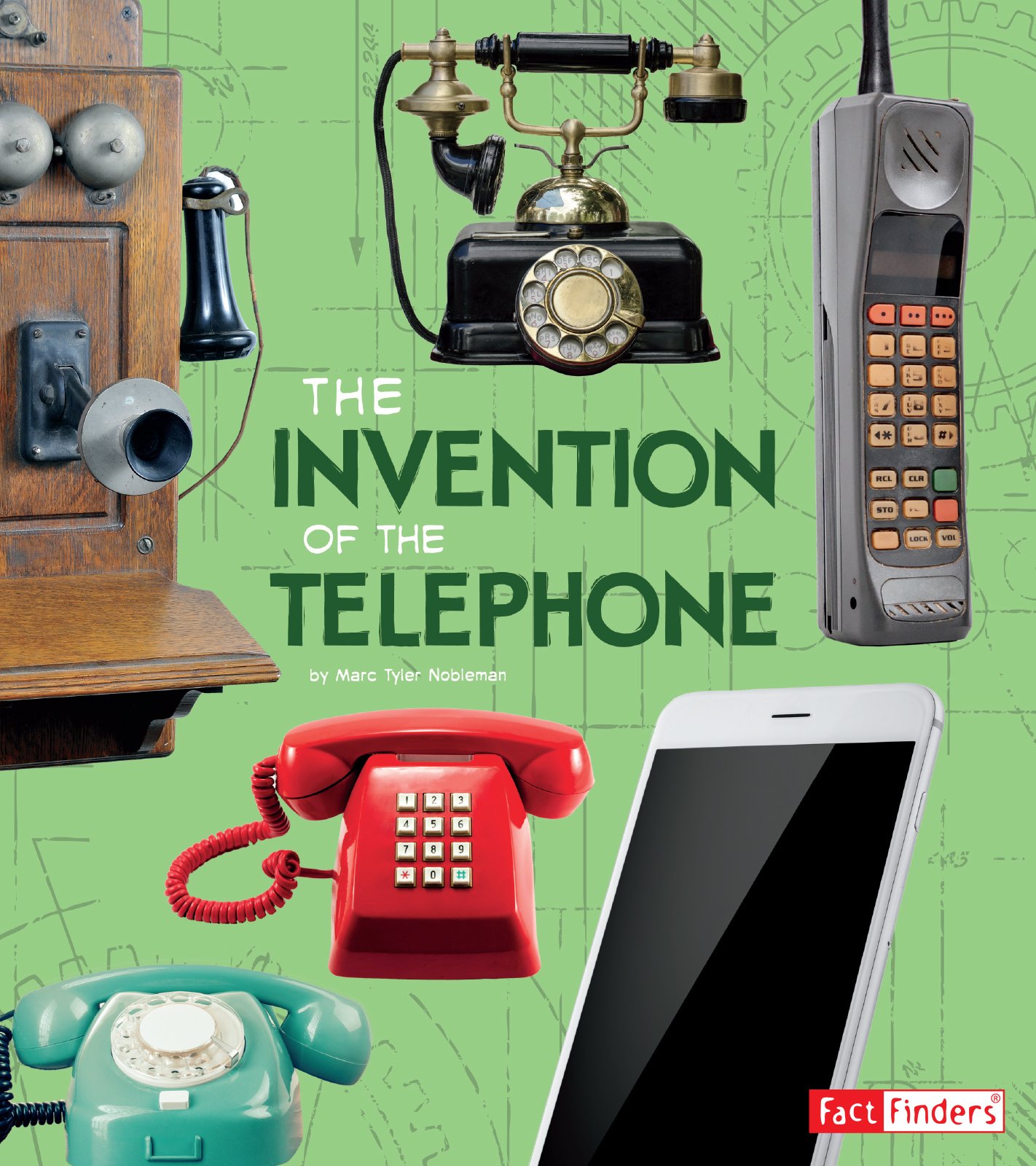
The Invention of the Telephone (World-Changing Inventions): Lucy ...

The invention of the telephone was done by a group of individuals, many different companies. However, it is believed that the telephone was invented by Alexander Graham Bell in 1875 with the help of his friend Thomas A. Watson.

A mobile phone is a portable telephone that can make and receive calls over a radio frequency while the user is moving around a telephoned serviced area. The first mobile phone was created by Martin Cooper a researcher from Motorola in 1973. And the first phonecall was made to John F Mitchel. It was until 1980’s when the first commercial mobile phones were sold. And, do you have a mobile phone?

ACTIVITY 1.                                                                             ( From April 27th to May 1st)
Go into schoology and do the quiz about inventions.

ACTIVITY 2.

How to Secure Your iPad Social Networking Apps - Social Media ...

Social networks are definitely the invention of our time. But what do you know about their inventors?

Start by searching for information about the inventors of 
Social networks. Keep in mind that the information you find has to answer these questions, at least:

a) Who invented it?
b) When was invented?
c) How did they have the idea
d) Why is it important?

Then, using the information you found about the social networks , write a text (wording 50-80 ) about one of the social networks, ONLY ONE. Don’t forget to use the present and past passive voice. If you have any question you can always check the previous sections to clarify.


ACTIVITY 3.                                                                               (Date of delivery: May 15th)
Complete the unit 10 from Workbook GATEWAY, 100% in each activity  and those who don't have Workbook do the assignation from EZONE.


 ( From May 4th to May 8th)
ACTIVITY 4. 


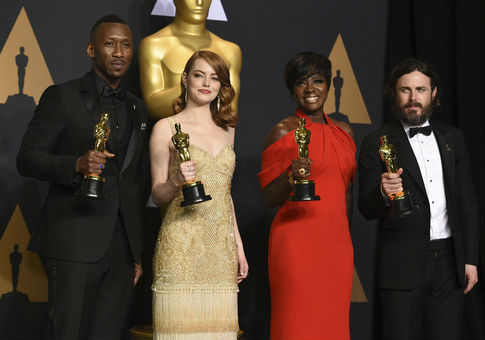
9 Examples From Oscars That Hollywood Is in the Tank for Liberal ...

1.Who is your favorite actor? Who is your favorite actress?
2. What movies have you seen recently?


Read the magazine article available in schoology into the quiz "HOLLYWOOD". Pay special attention to verbs in the passive voice.


REPORTED SPEECH

Secrets, secrets… (But don’t tell anyone I told you…)
Whispers

Have anyone ever told you a secret, and then you have gone to tell somebody else even you were not supposed to?

If you have not, you are an amazing person, reliable and good friend, but if your answer is yes, let me tell you that you are not the only one, the thing is: did you say the message correctly?

First of all, it is important to understand what direct speech and reported speech is.


Meeting in a bar…
Did you notice the difference between what Sandy said and what Carol reported?
When Sandy told her friend about the guy she met, immediately Carol went to tell Jessie, she reported what her friend had told her.


What is the difference between direct and reported speech? Well, let’s analyze:


Carol: Hey, have you heard the news? Sandy met a new guy.

Jessie: Really, where?

Carol: She said: “I went to a bar last night and I met the most amazing guy in the city”.

Direct speech is used when you want to repeat the exact same words the other person used. When writing direct speech, it is necessary to use quotation marks (“ ”). In this case, we understand that you are saying the exact words.

 ( From May 4th to May 8th)
Activity 1.
Practice Direct speech doing the quiz in schoology.

  (Date of delivery: May 30th)
Activity 2.
Complete the unit 9 from Workbook Gateway 100% in each activity  and those who don't have Workbook do the assignation from EZONE.


PAST PERFECT CONTINUOUS.

The Past Perfect Continuous is the structure you use to describe “actions that were in progress at an earlier time in the past”. In other words, an action that was in progress BEFORE another event in the past. We use this structure to emphasize the duration of the first action.

Example:Martha had been walking  three miles a day  before she broke her leg.

Affirmative:
The affirmative form is used to state that an action or event was in progress or was occurring repetitively before another action occurred. The emphasis is placed on the action in progress in the past.

Example:
He had been drinking milk out the carton before his  mom walked into the kitchen.


He                              had been                    before                      his mom walked 
Subject          +          drinking           +         connector         +      into the kitchen
                              milk out the carton                                             the stamp act. 
                               had been                                                       complement    
                                   verb- ing
                                   
Pay attention to the following questions (Q) and answers (A):

Q: Which action happened first?
A: He had been drinking milk out the carton.


Q: Which action occurred later?
A: his mom walked into the kitchen.


Consequently, if you wish to emphasize the action that occurred first, use the past perfect continuous with:

                                      
              SUBJECT                              HAD BEEN                                     VERBING

Negative:
You can also make negative sentences:

            
         SUBJECT                       HAD BEEN                                NOT                  VERBING

Example:
hadn't been walking for a long time, when it suddenly began to rain.

Negative:


            HAD               SUBJECT                BEEN              VERBING    QUESTION MARK

Example:
How long had she been studying English before she went to London?


The Role of the Environment 

in Shaping Personality.

What role, if any, does the environment play in the development of human personality?


Personality often depends on particular combinations of genes that brothers and sisters don’t necessarily share, but what about the environmental influences on personality? Consider the impact of the parents and the family environment on personality. One might expect children who are raised by the same parents in the same way in the same home ought to turn out similar, but this fact isn’t necessarily the case.


It is true that environmental influences, including parenting, affect personality. Based on genetic data, researchers have concluded that environment accounts for approximately 50 to 70 percent of personality. But researchers have also found the environments that children from the same family share with each other exert a much weaker influence on their personalities than the environments that each child experiences individually.


One of the strongest pieces of evidence for the idea that the shared family environment does not cause children to be alike stems from research with adopted children. If the shared family environment made children similar to each other, then children with different biological parents who are adopted into the same family should have personalities that are more similar than two unrelated people who grew up in different homes. According to the latest research, they are not.


When researchers analyzed why identical twins were so similar psychologically, they found that the similarity was due almost entirely to genetics, not to the fact that they grew up in the same environment. The fact that sharing a particular environment growing up does not lead siblings to be similar surprises most people.

  • Does a person’s environment affect their personality?
  • Is personality genetic or environmental?
  • What factors influence human behavior?
  • What are two environmental influences on personality?
    ( From May 18th  to May 22nd)
ACTIVITY 7.
Go into schoology and solve the quiz Past Perfect Continuous vs Past Perfect.

ACTIVITY 8.
  • What do you think about the influence of the environment on relationships?
  • How can you explain this?
Go into schoology and express your opinion about it in the forum "The effects of friends on siblings relationships".


.